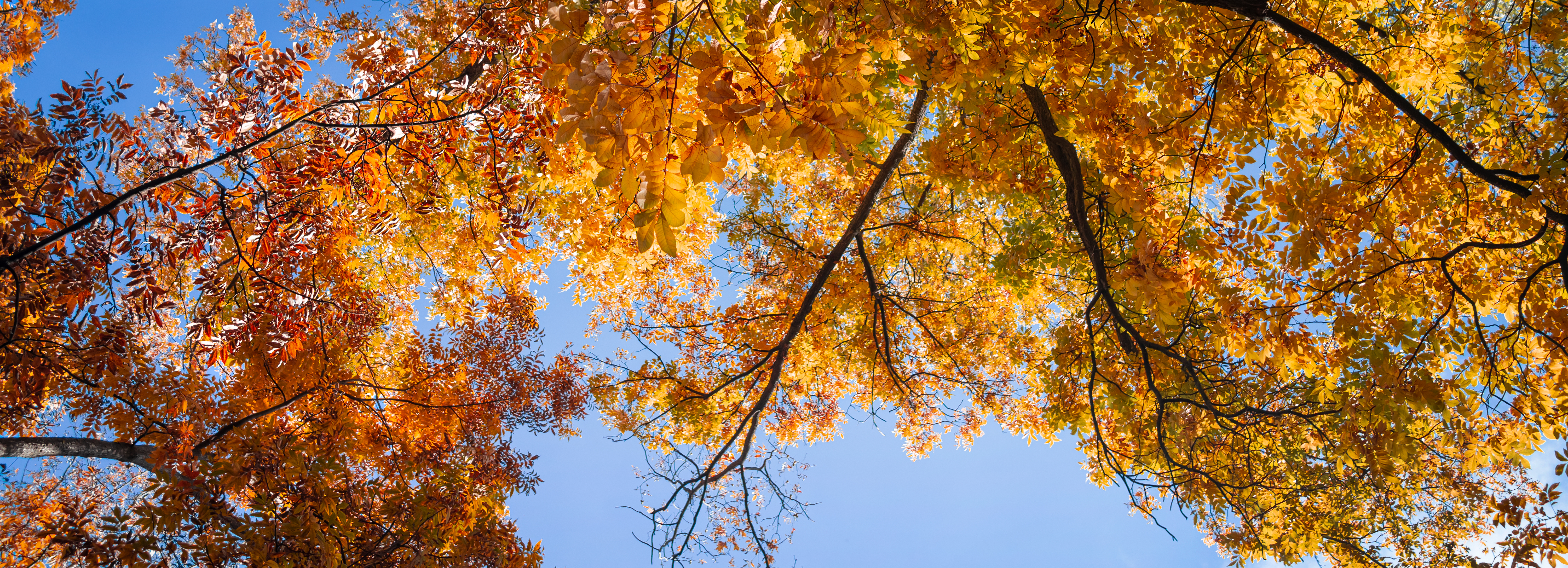
The Haverford Township Shade Tree Commission is excited to announce the Fall Shade Tree Lottery, offering residents the opportunity to win a free tree and help grow Haverford Township’s residential tree canopy.
This year, 120 trees will be awarded to randomly selected residents. The program features ten native tree species, including a variety of larger shade trees and smaller understory trees suited to local growing conditions.
How to Enter:
- Haverford Township residents can enter the lottery by completing the online registration form. Before submitting your application, review the available tree species below and select your first and second tree preferences.
Please review the following guidelines before entering:
- The lottery is open to Haverford Township residents only.
- Only one entry is permitted per household.
- Winners must plant their tree at their residence.
- Applicants must be available to pick up their tree on November 7, 2026.
Why Participate?
Trees play a vital role in maintaining a healthy, vibrant community. Planting trees helps....
- To expand and preserve Haverford Township’s tree canopy
- To reduce neighborhood temperatures by providing shade
- To manage stormwater runoff which will protect local waterways
- Support biodiversity and improve air quality
- Beautify neighborhoods and contribute to property values
This year’s lottery includes ten tree species:
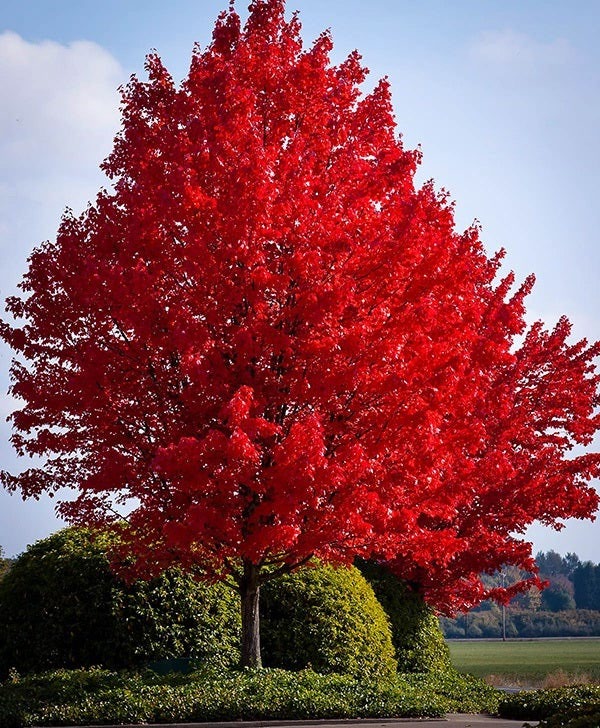
Red Maple
- Size: 40’ to 60’ in height
- Growth Rate: moderate to rapid
- Ecological and Landscape Value:
Supports over 280 caterpillar species and is known for its brilliant red/orange fall leaves and bright red spring flowers.
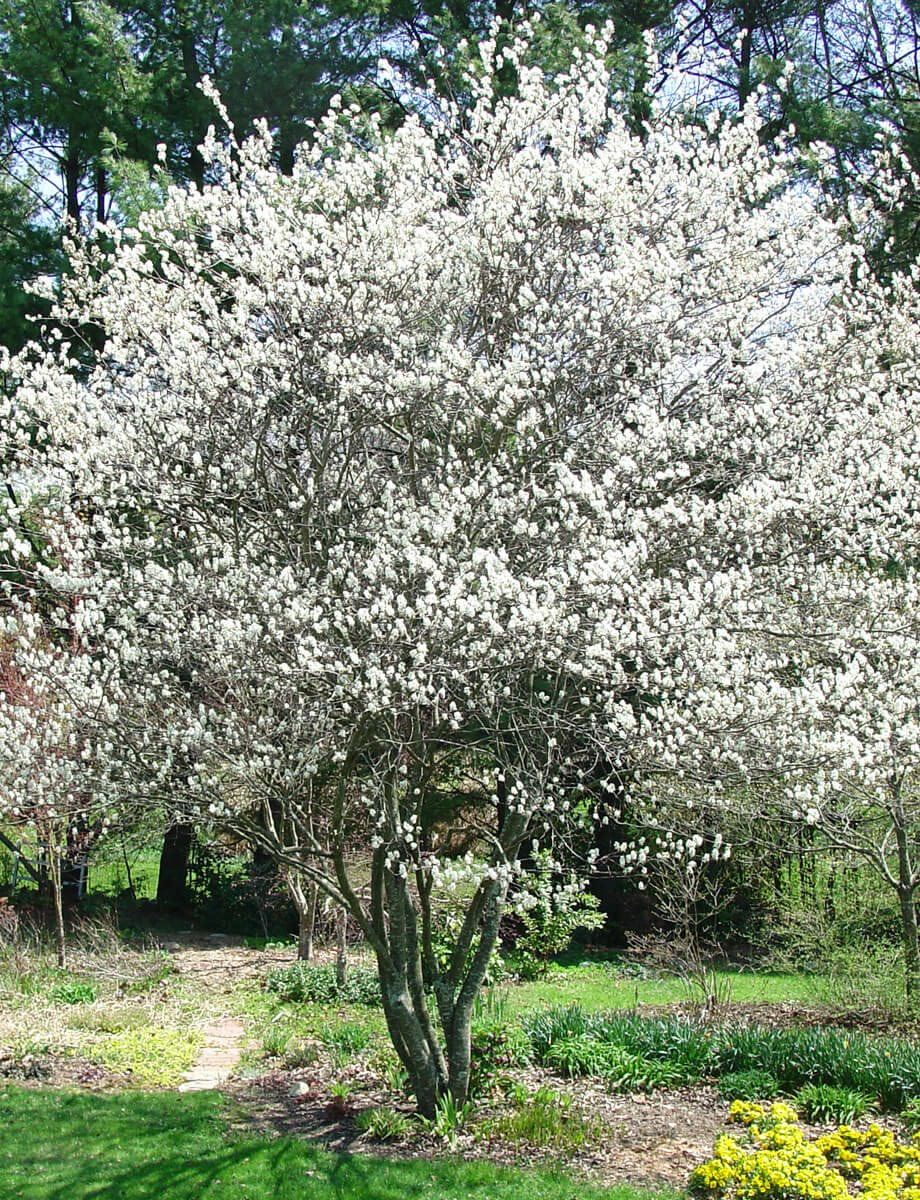
Autumn Brilliance Serviceberry
- Size: 15’ to 20’ in height
- Growth Rate: moderate
- Ecological and Landscape Value:
Provides food and habitat for birds and pollinators. Produces white spring flowers, edible berries in early summer, and brilliant orange-red fall foliage. Its multi-season interest makes it a popular ornamental tree.
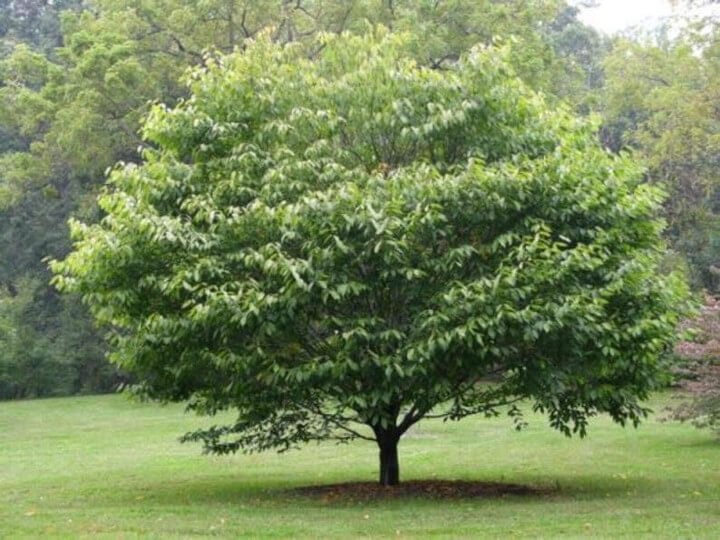
American Hornbeam
- Size: 30’ in height
- Growth Rate: slow
- Ecological and Landscape Value:
Supports native insects and provides food and shelter for birds and other wildlife. Its distinctive smooth, muscular-looking trunk, attractive fall foliage, and tolerance of shade make it well suited for naturalized landscapes.
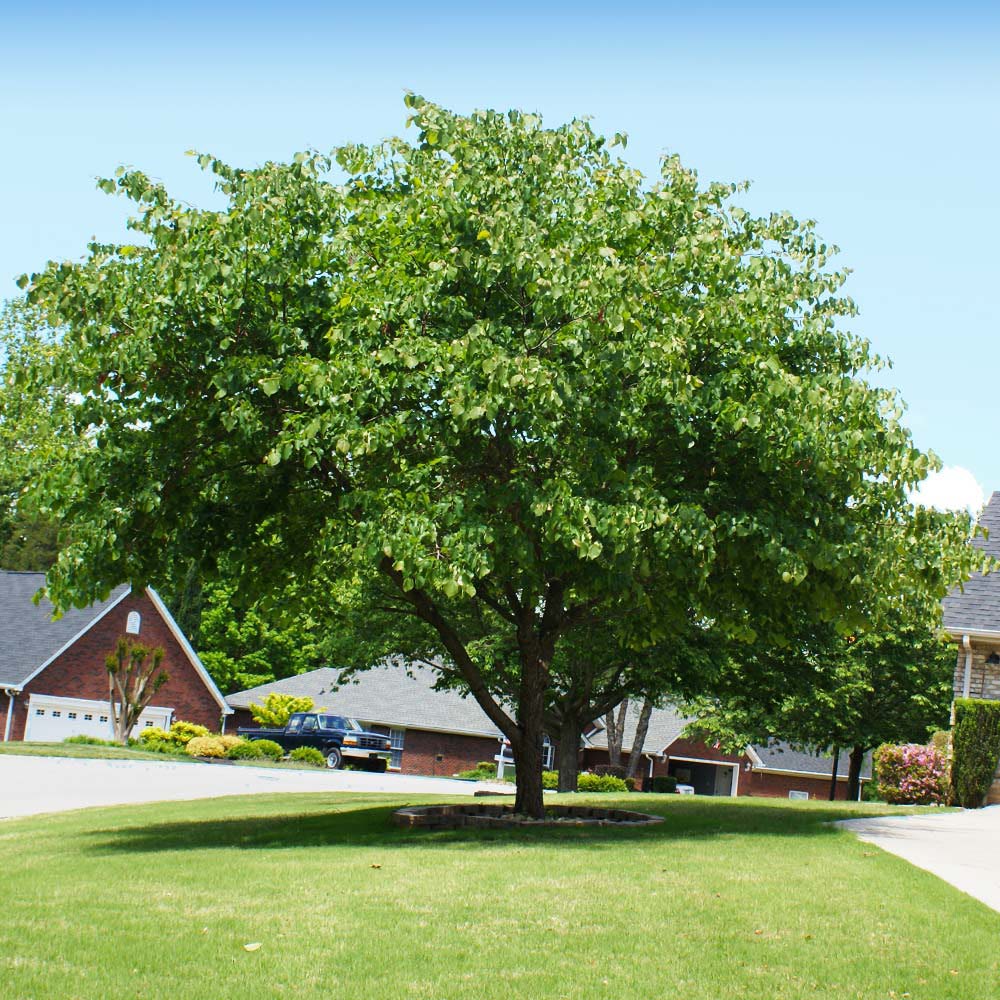
Eastern Redbud
- Size: 20’ to 30’ in height
- Growth Rate: moderate
- Ecological and Landscape Value:
Provides nectar and pollen for early-season pollinators through its vibrant pink-purple spring flowers. Its heart-shaped leaves and distinctive branching structure provide ornamental value, while its seeds provide food for birds and other wildlife.
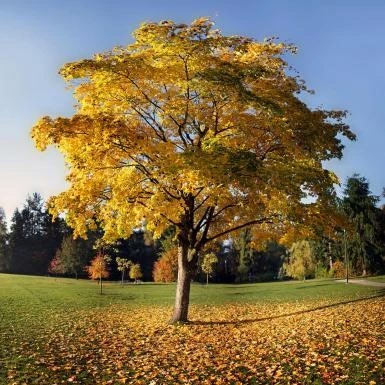
Tulip Poplar
- Size: 70’ to 100’ in height
- Growth Rate: rapid
- Ecological and Landscape Value:
Supports numerous caterpillar species and provides nectar and pollen for pollinators through its distinctive yellow-green, tulip-shaped flowers. Its seeds provide food for birds and small mammals, and its large canopy offers shade and habitat.
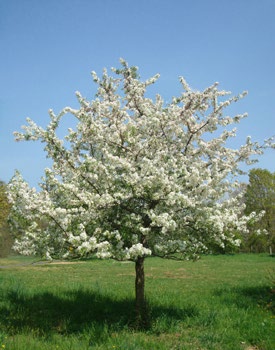
Sugar Tyme Crabapple
- Size: 15’ to 20’ in height
- Growth Rate: moderate
- Ecological and Landscape Value:
Provides nectar and pollen for pollinators through its abundant white spring flowers. Produces small red fruits that provide food for birds and other wildlife, along with attractive fall foliage and ornamental winter interest.
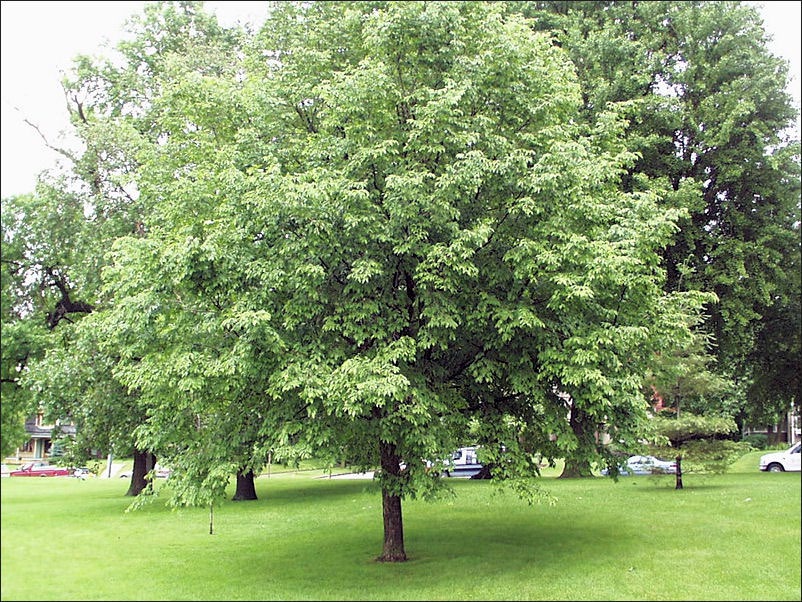
American Hophornbeam
- Size: 25’ to 40’ in height
- Growth Rate: slow
- Ecological and Landscape Value:
Supports native insects and provides food and shelter for birds and other wildlife. Its hop-like seed clusters provide food for birds, while its durable wood, attractive bark, and golden-yellow fall foliage add year-round landscape interest.
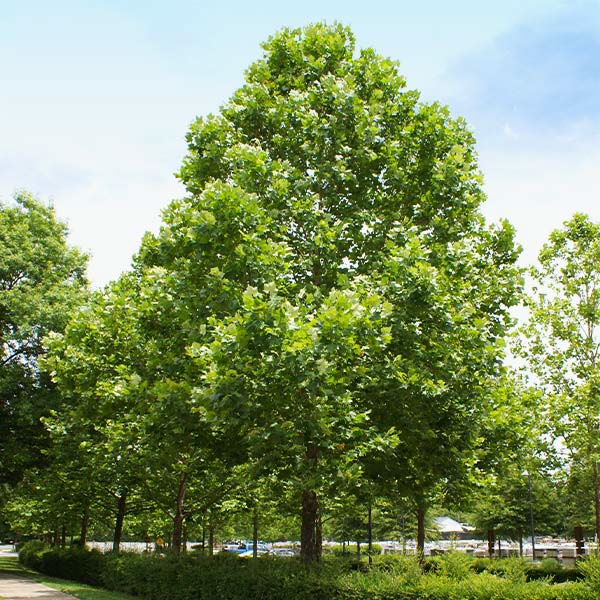
American Sycamore
- Size: 75’ to 100’ in height
- Growth Rate: rapid
- Ecological and Landscape Value:
Supports native insects and provides nesting habitat for birds and shelter for wildlife. Its large canopy provides substantial shade, while its distinctive mottled bark and seed balls offer year-round visual interest. Commonly found along streams and other waterways, it helps stabilize streambanks.
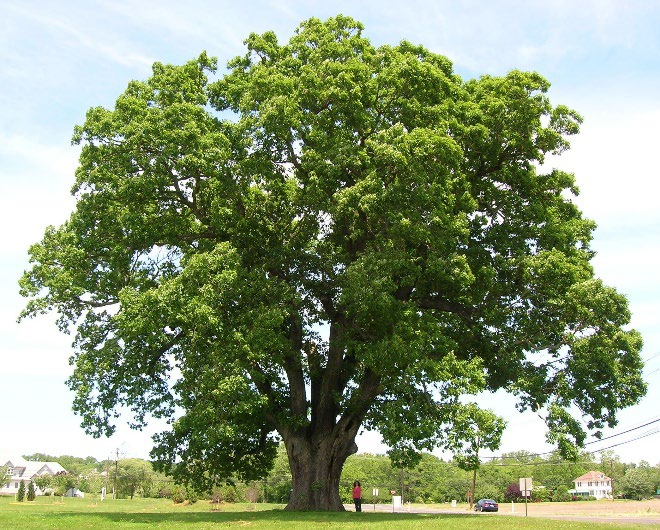
White Oak
- Size: 80' to 100' in height
- Growth Rate: Slow to moderate
- Ecological and Landscape Value:
Supports 557 caterpillar species. A dominant forest staple that can live 400+ years.
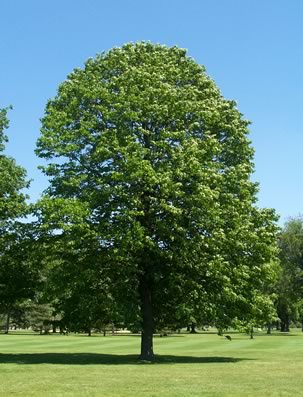
American Linden
- Size: 50’ to 80’ in height
- Growth Rate: moderate
-
Ecological and Landscape Value: Provides abundant nectar and pollen
for bees and other pollinators through its fragrant, pale-yellow
summer flowers. Its seeds provide food for birds and small mammals,
while its broad canopy offers shade and habitat for wildlife.